The Seven Chakras: From Somatic Sensation to Conscious Expression
Kundalini is not the point — you are the one here to be nourished.
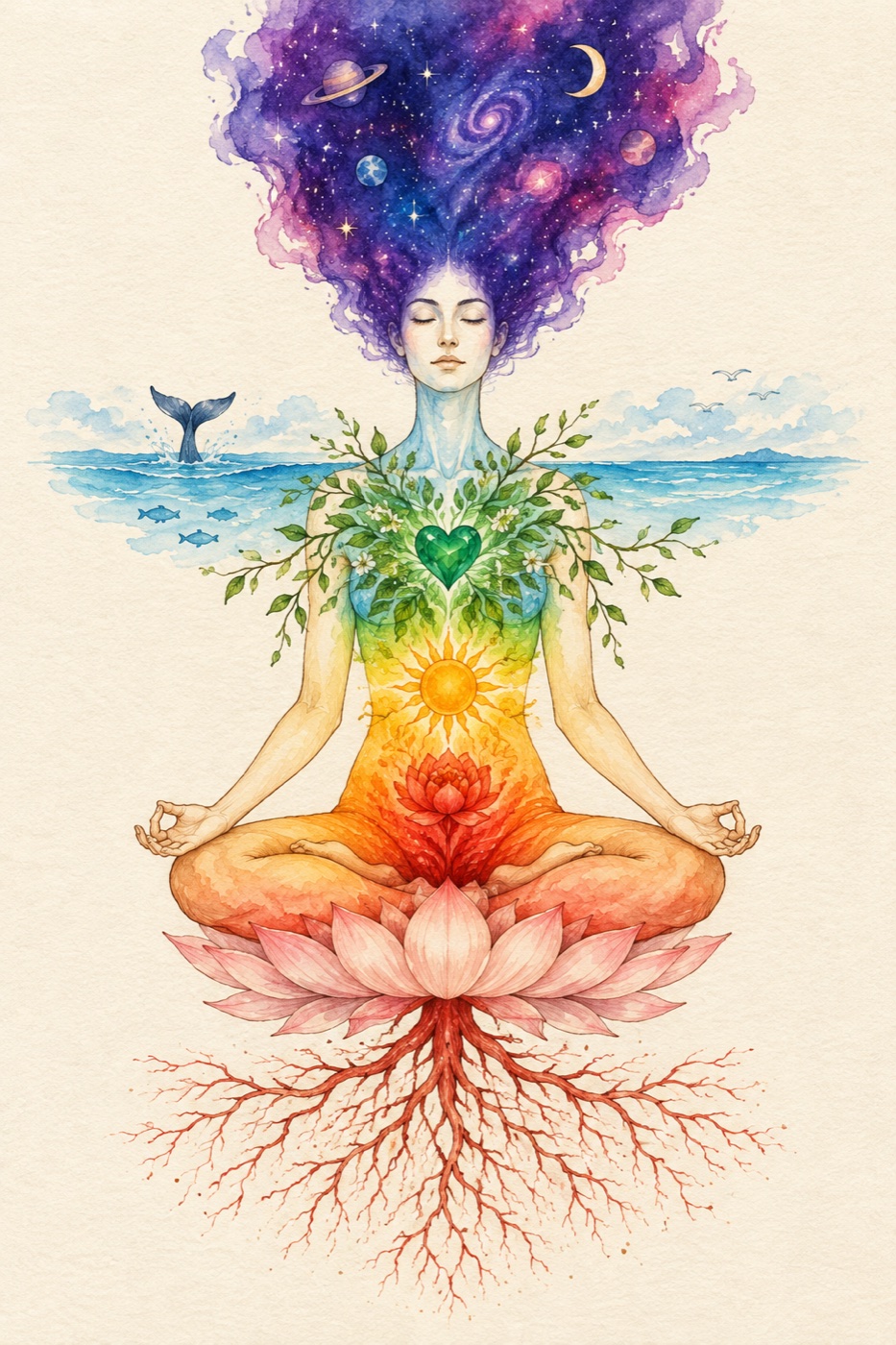
Most of us are used to understanding ourselves through the mind — analyzing personality, decoding charts, diagnosing emotions, and trying to think our way to a solution.
Yet some things cannot be reached by thought alone. Can you actually feel your body right now? Can you sense how an emotion shifts inside your chest or belly? Can you hear the voice you truly want to express?
In the Kundalini Yoga tradition, Chakra (Sanskrit for wheel) refers to energy centers along the body. Rather than seven isolated switches, the chakras form an interconnected map — tracing human experience from basic survival and sensation, through connection and expression, toward wider consciousness.
I. The Lower Triangle: How We Inhabit the World
The first three chakras form the Lower Triangle, corresponding to Earth, Water, and Fire — survival, feeling, and action.
1. Root Chakra · Muladhara (Earth)
Themes: Safety, survival, grounding, self-acceptance · Location: Base of the spine, pelvic floor, legs
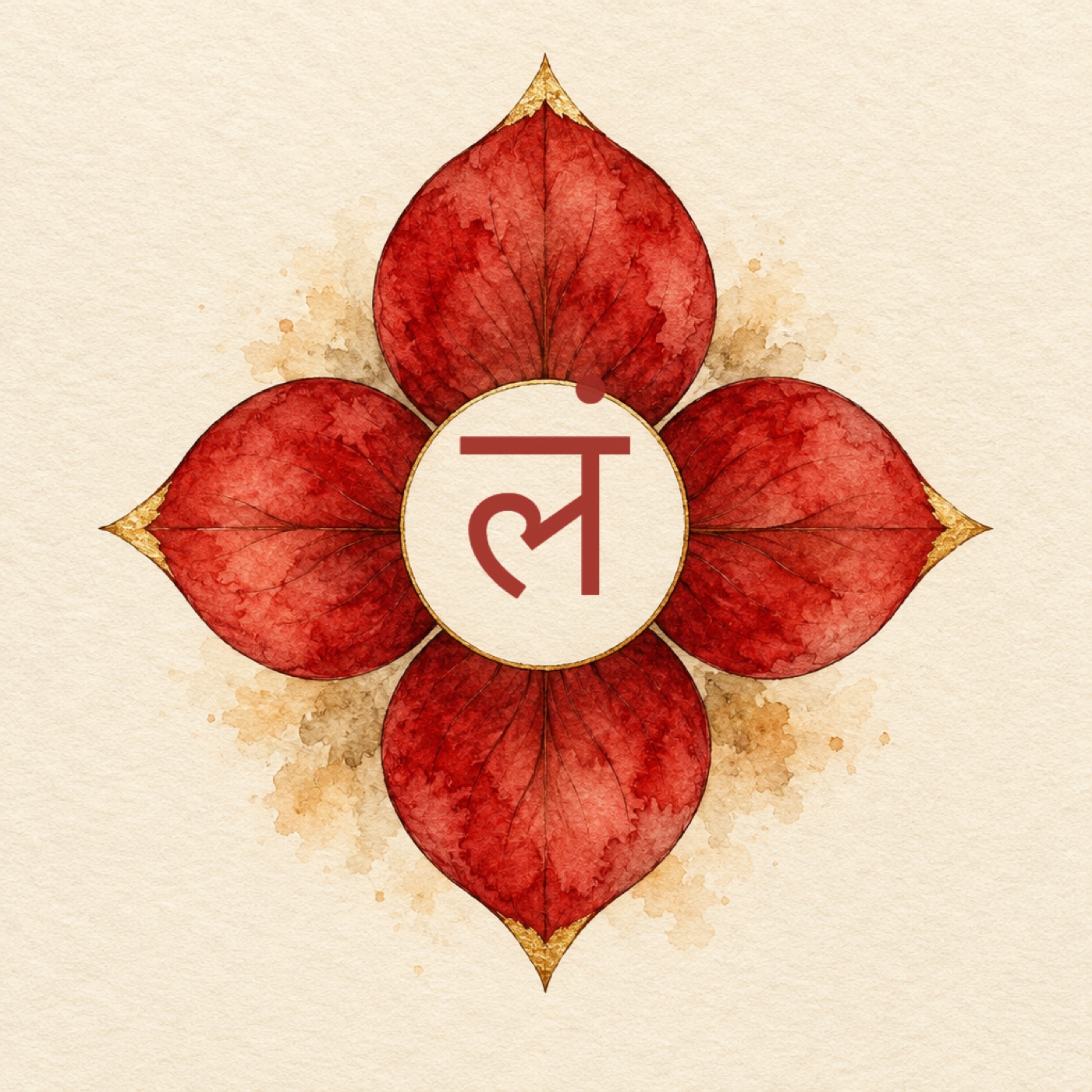
The foundation of the entire system. Where does safety come from? Amid unfamiliarity and uncertainty, can we remain rooted in our own body? We often rush outward searching for new possibilities while forgetting the simplest question: am I truly standing on my own two feet?
2. Sacral Chakra · Swadhisthana (Water)
Themes: Emotion, sensation, desire, creativity, pleasure · Location: Sacrum, hips, lower back
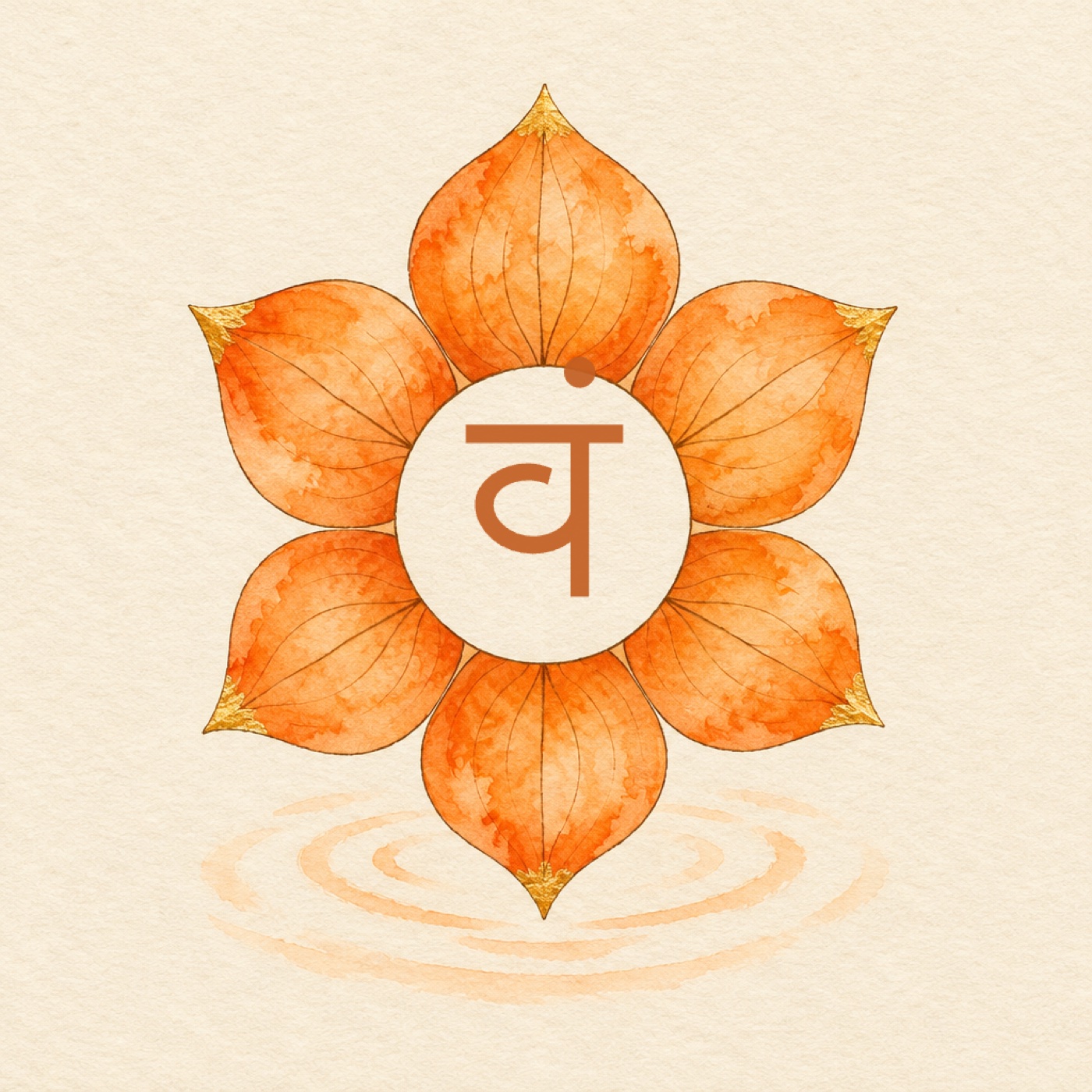
Where the first chakra is stability, the second is flow. Water adapts, moves, and softens. Do we allow ourselves to feel? Do we know what we genuinely desire? Can we still savor life rather than living exclusively in control, planning, and completing tasks?
3. Navel / Solar Plexus Chakra · Manipura (Fire)
Themes: Willpower, action, inner fire, balance · Location: Navel and solar plexus
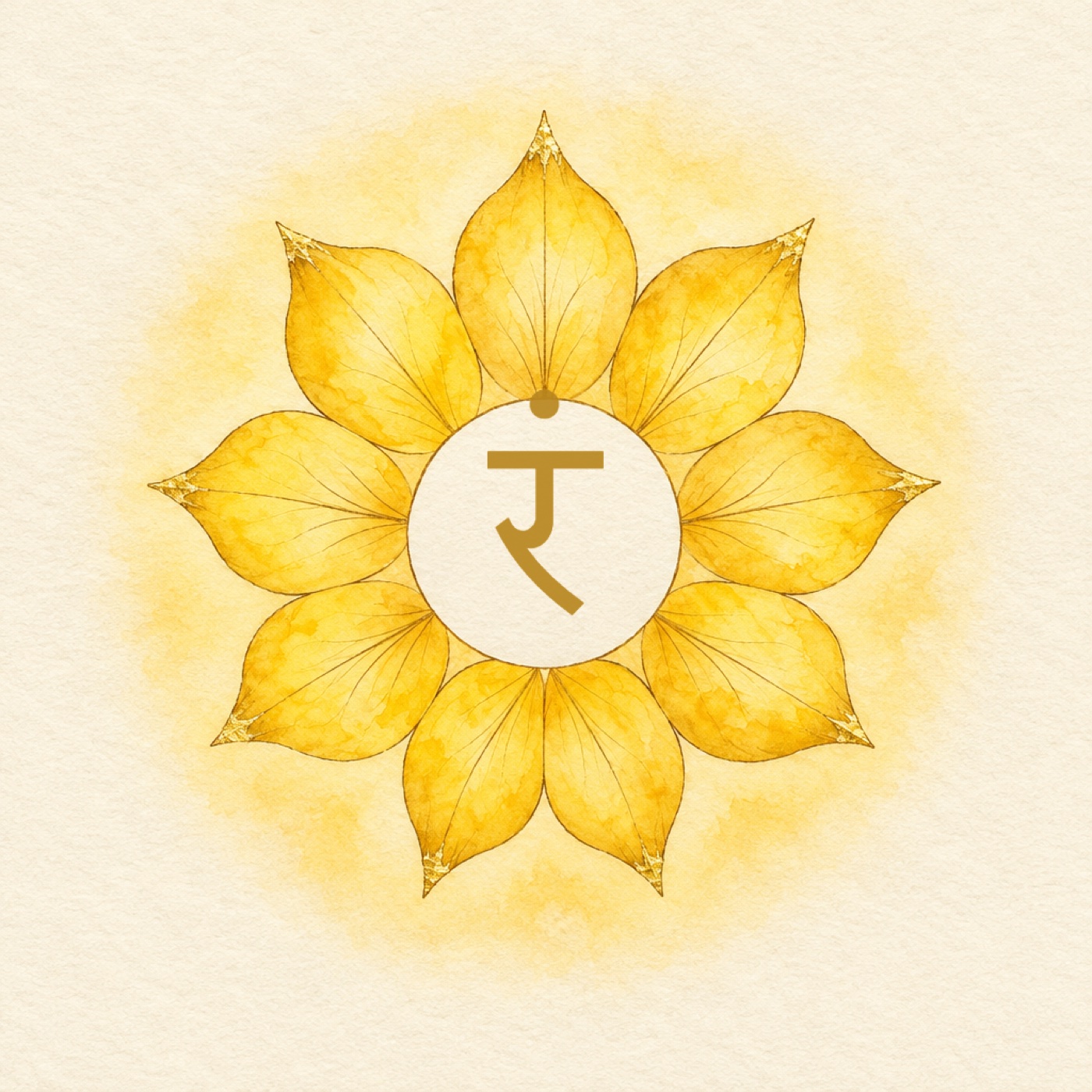
Often called the Will of the Spiritual Warrior, Manipura turns inner intention into lived action. Wanting something and actually stepping forward are two different things; intention also needs fire to take root in the world.
II. The Heart: From “Me” to “We”
4. Heart Chakra · Anahata (Air)
Themes: Love, compassion, connection · Location: Center of the chest
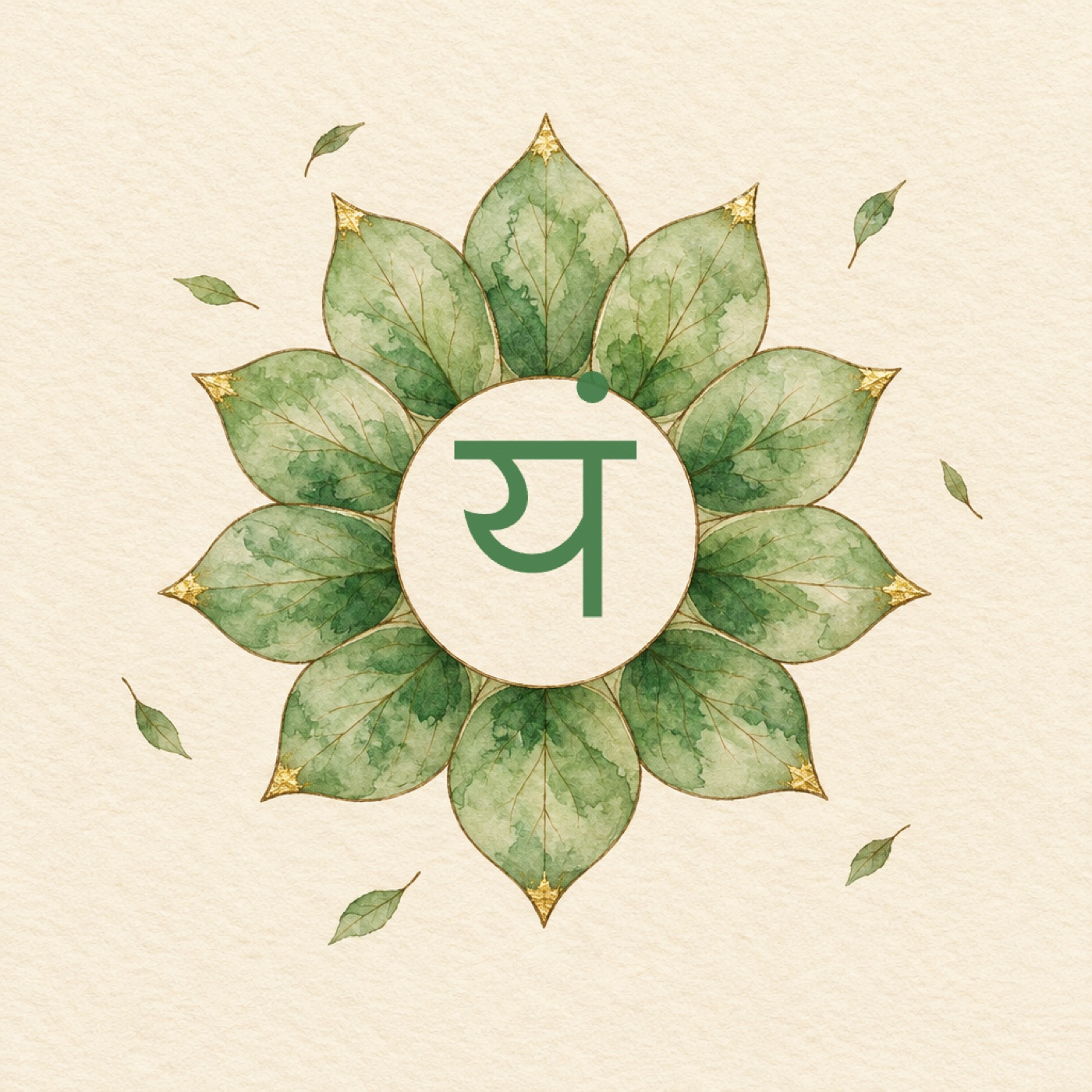
Anahata is the bridge between the lower and upper triangles — the shift from Me to You, and into We. Compassion is not merely soft sentiment; it is the capacity to witness another being, allow difference, and connect deeply without losing yourself.
III. The Upper Triangle: Expression, Insight & Vastness
5. Throat Chakra · Vishuddha (Ether)
Themes: Projective power of the word, authentic expression, listening · Location: Throat
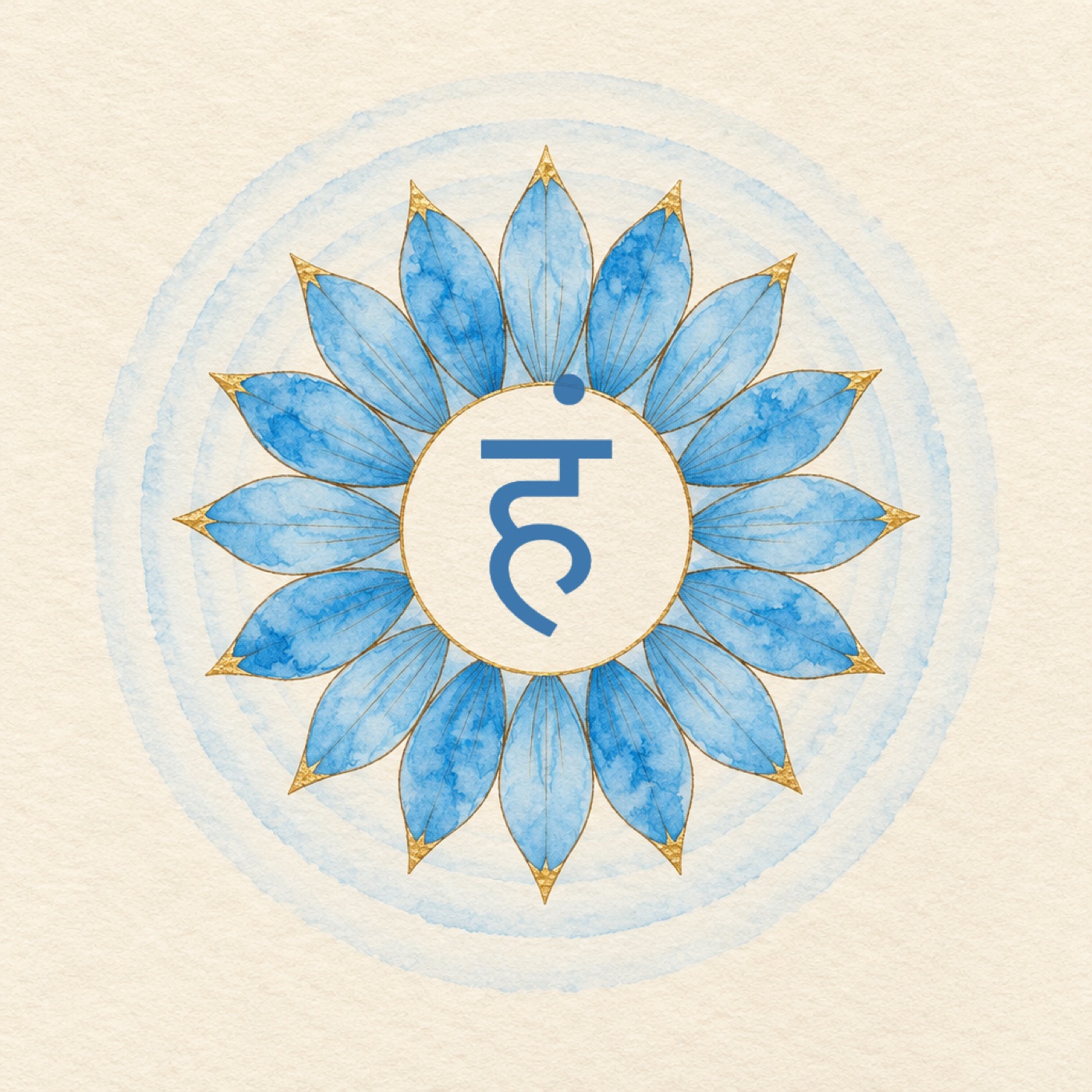
Voice is not merely a carrier of information; it is a physical expression of our whole state. Pitch, resonance, breath, and texture reveal what the mind has not yet put into words. That is why I love entering practice through sound — allowing unperformed, honest expression that serves your own inner truth.
6. Third Eye · Ajna
Themes: Intuition, wisdom, Union of Opposites · Location: Between the eyebrows
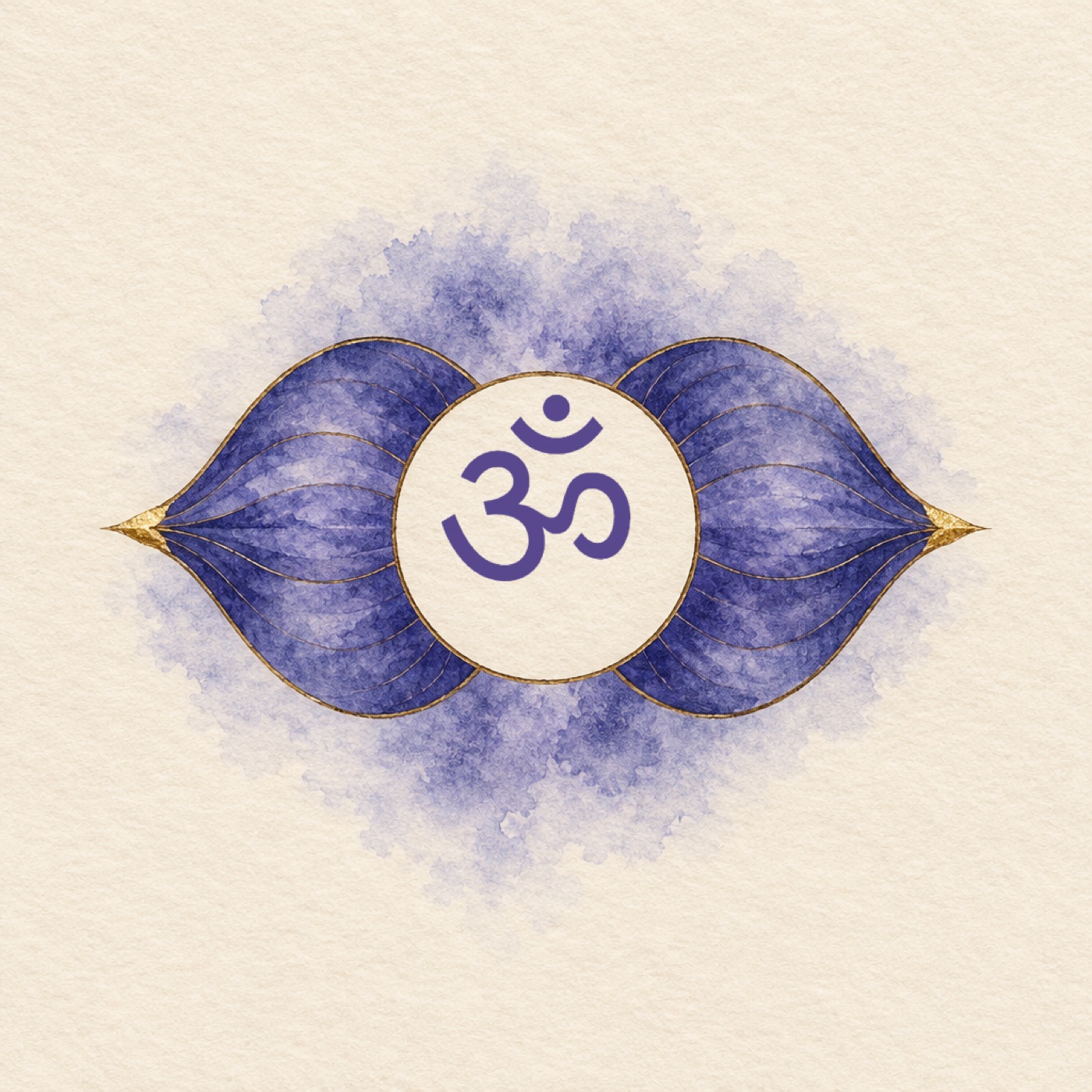
Reason and sensitivity, active and receptive, light and shadow, holding on and letting go. We instinctively label parts of ourselves as acceptable or unacceptable; true integration is not erasing one side, but growing wide enough to hold them together.
7. Crown Chakra · Sahasrara
Themes: Humility, vastness, transcendence · Location: Crown of the head
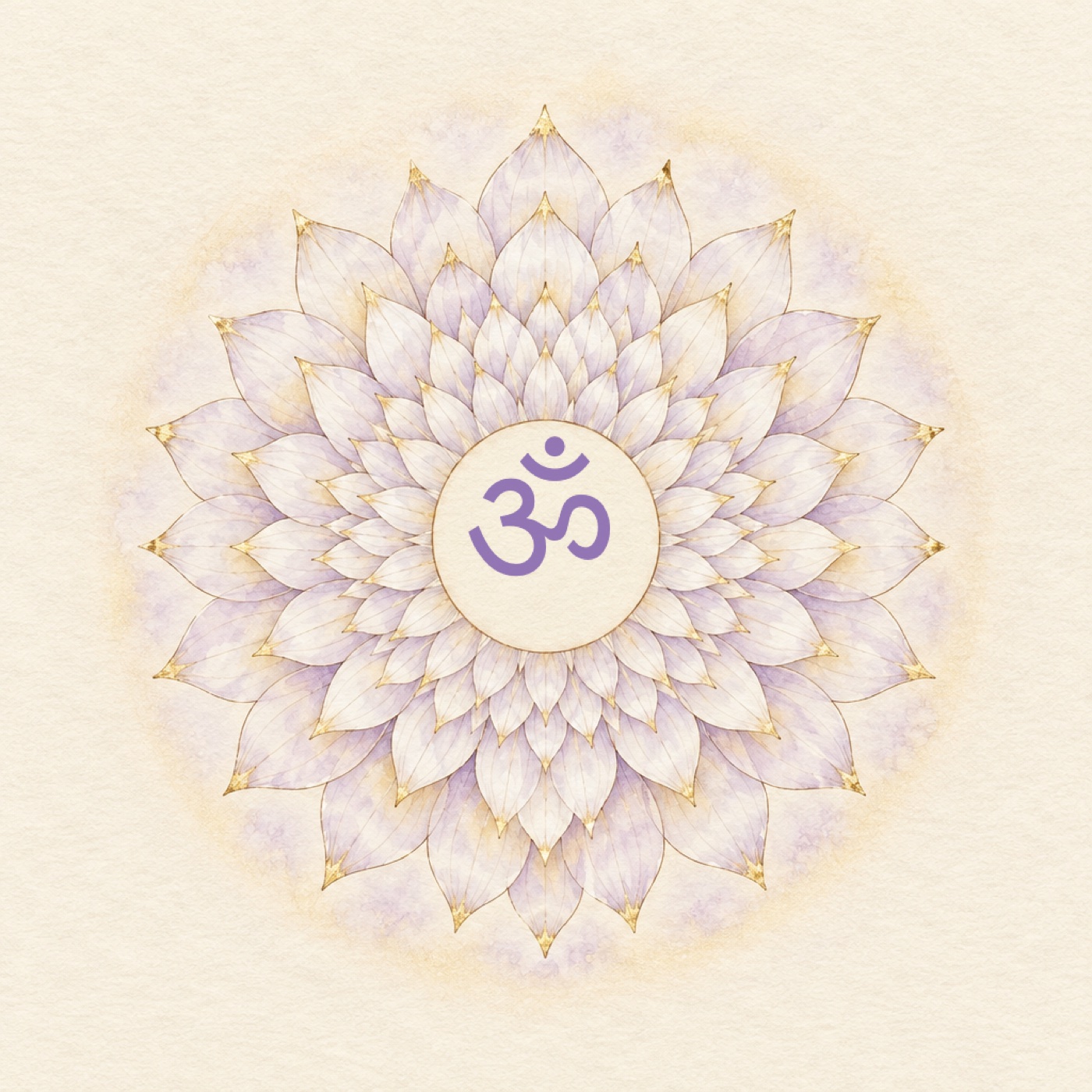
To me, enlightenment is not a trophy to chase, but an unscheduled gift. My work is simply to keep this house clean and well cared for — so that whenever grace visits, there is space for it to pass through.
IV. The Body as an Instrument
Traditional Kundalini philosophy describes the body as an instrument of 72 strings tuned by three primary channels — Ida (left), Pingala (right), and Sushumna (the central channel along the spine) — carrying life energy (Prana). This is symbolic language rather than modern anatomy, yet it points to an unmistakable daily truth: a single thought shifts the breath, an emotion tightens the muscles, and a resonant sound vibrates through the entire chest.
Kundalini is not the point — you are the one here to be nourished. Sometimes we do not need another explanation of ourselves; we need one honest moment of feeling.
Body · Breath · Voice · Presence.